






Compact Waste Balers
Our range
Built for space-saving waste reduction
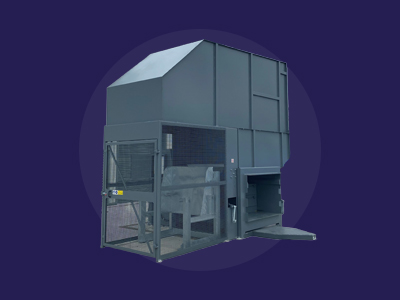
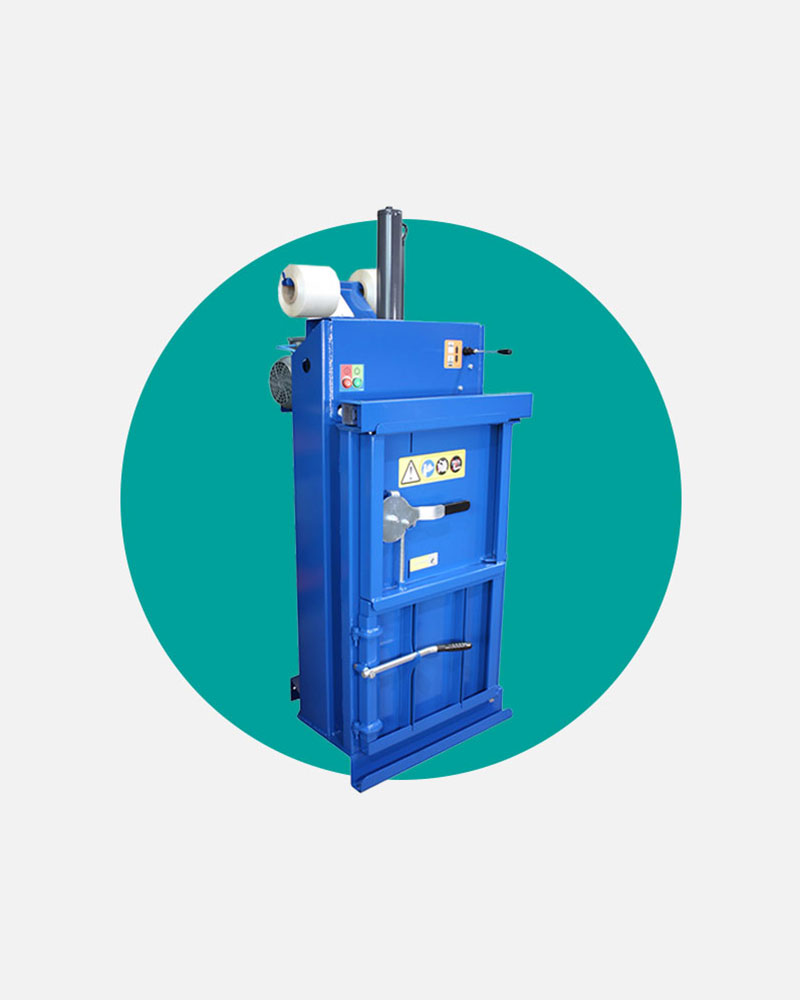
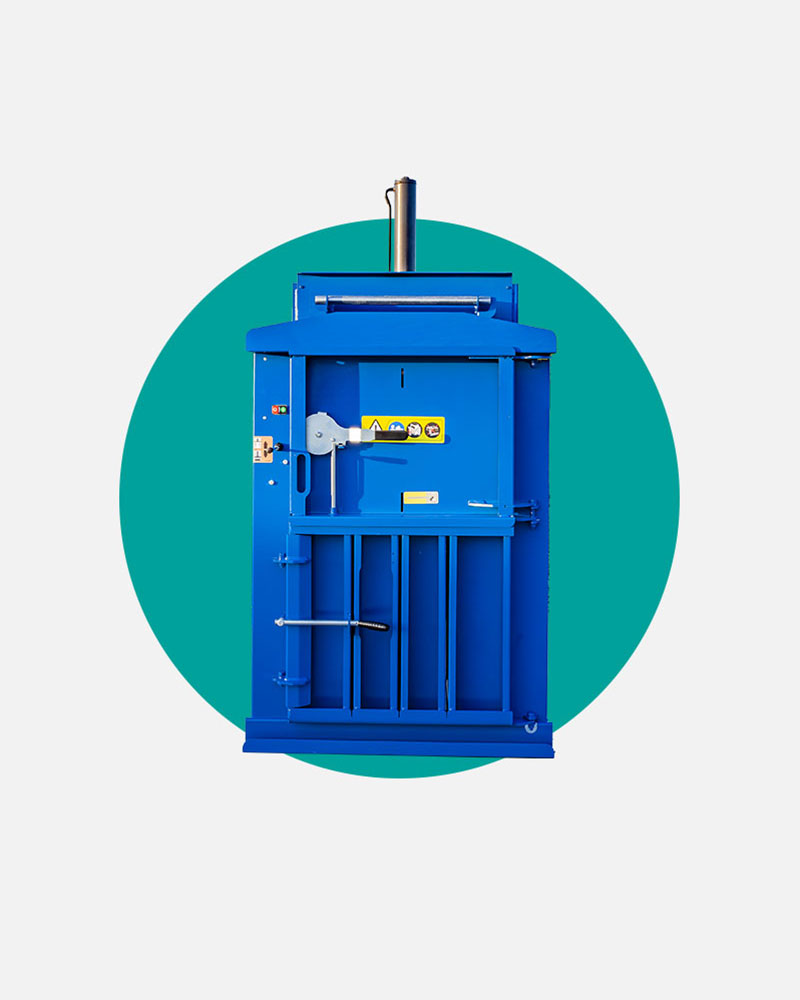
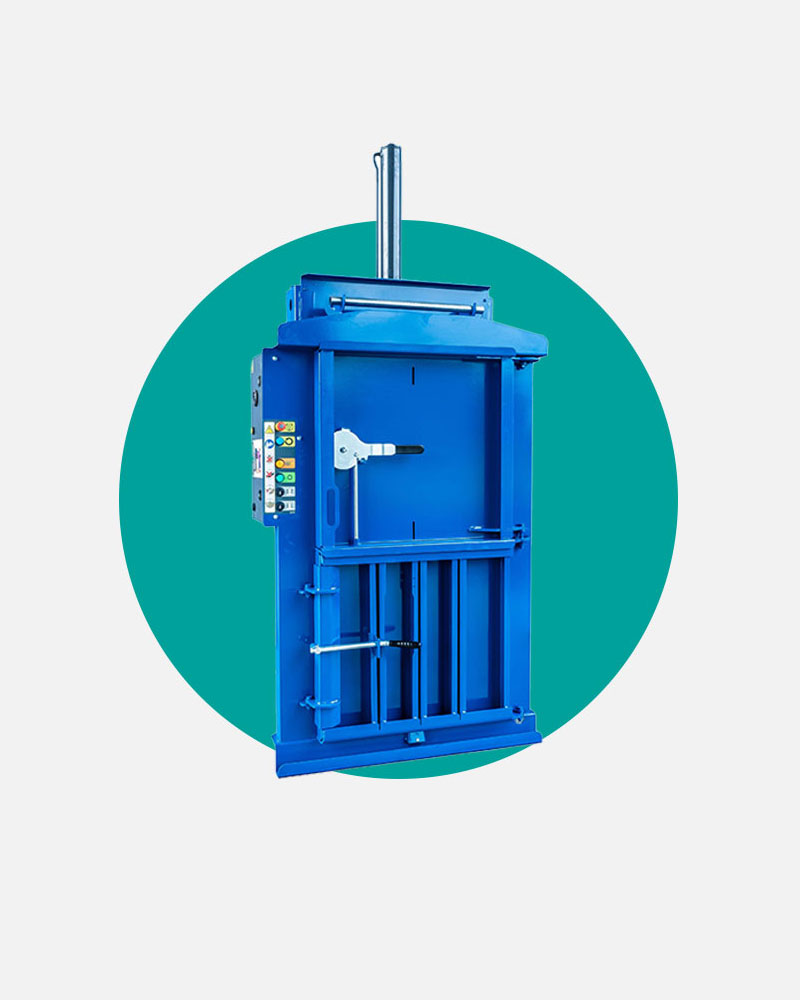
When floorspace is limited, our compact waste balers bring reliable recycling performance at a fraction of the footprint of a mid-range machine. Thanks to their size, they slot neatly into busy sites that generate low-to-medium volumes of waste, compressing cardboard, plastic, and packaging material with ease. With lightweight, tightly-bound bales that are quick to produce and easy to manoeuvre, organisations can streamline waste management and free valuable storage room on site, while gaining new income from recycling rebates. Our range boasts three highly sought-after machines, including the RWM 40, RWM 60, and RWM 75. While our compact waste balers may be small, they’re exceptionally mighty, delivering excellent pressing force, fast cycle times, and the durability you'd expect from much larger models. So, whether you’re operating a café, retail unit, small warehouse, or office, you can reap big recycling rewards without taking up valuable square footage.

Waste balers
What is a compact waste baler?
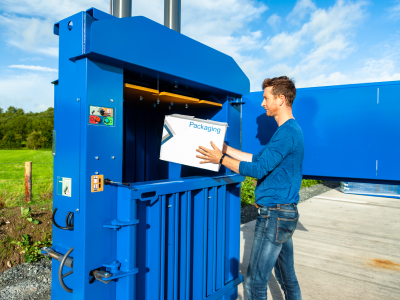
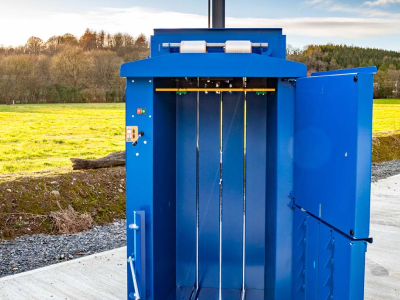
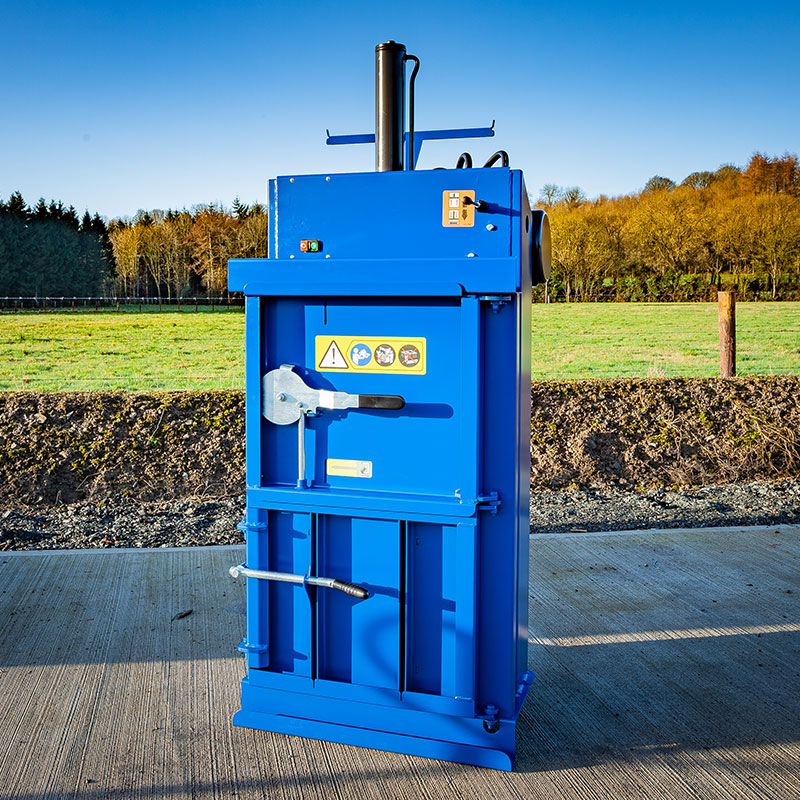
Powered by hydraulics, our compact waste balers compress dry recyclables into manageable blocks of material ranging from 40kg to 70kg. Operation is inherently simple, featuring a large, front-loaded feed aperture, ergonomic design, and intuitive user controls that require minimal training. And, because our machines are suitable for both indoor and outdoor use, they’re even easier to house on sites where space is at a premium.
Here’s how they typically work:
- Material is loaded through the front-facing aperture into the baler’s chamber
- A hydraulic ram drives downward, compressing the material under significant force
- The compaction cycle repeats until the required bale size and density are achieved
- When the baler is full, the operator ties the bale with wire or tape
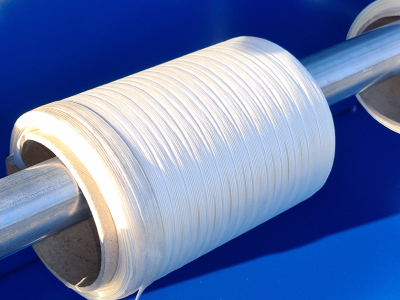
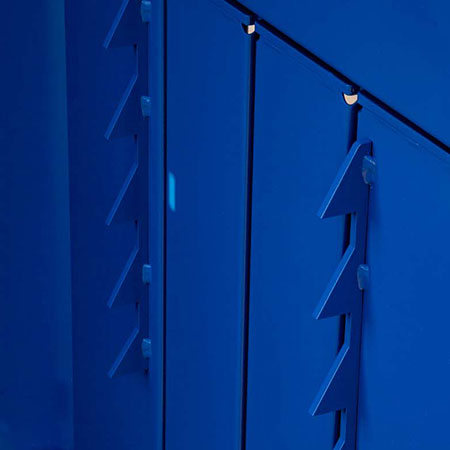
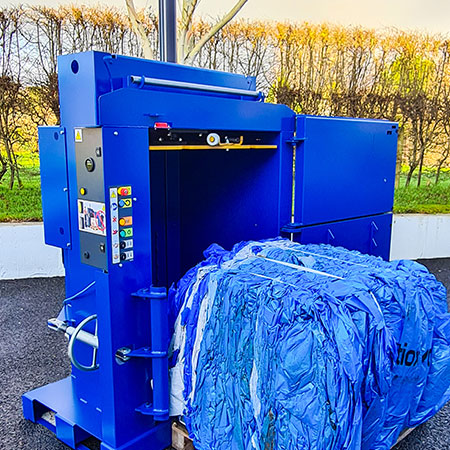
- The finished bale is ejected on to a pallet – ready to stack, store, or transport

By input
What materials does it bale?
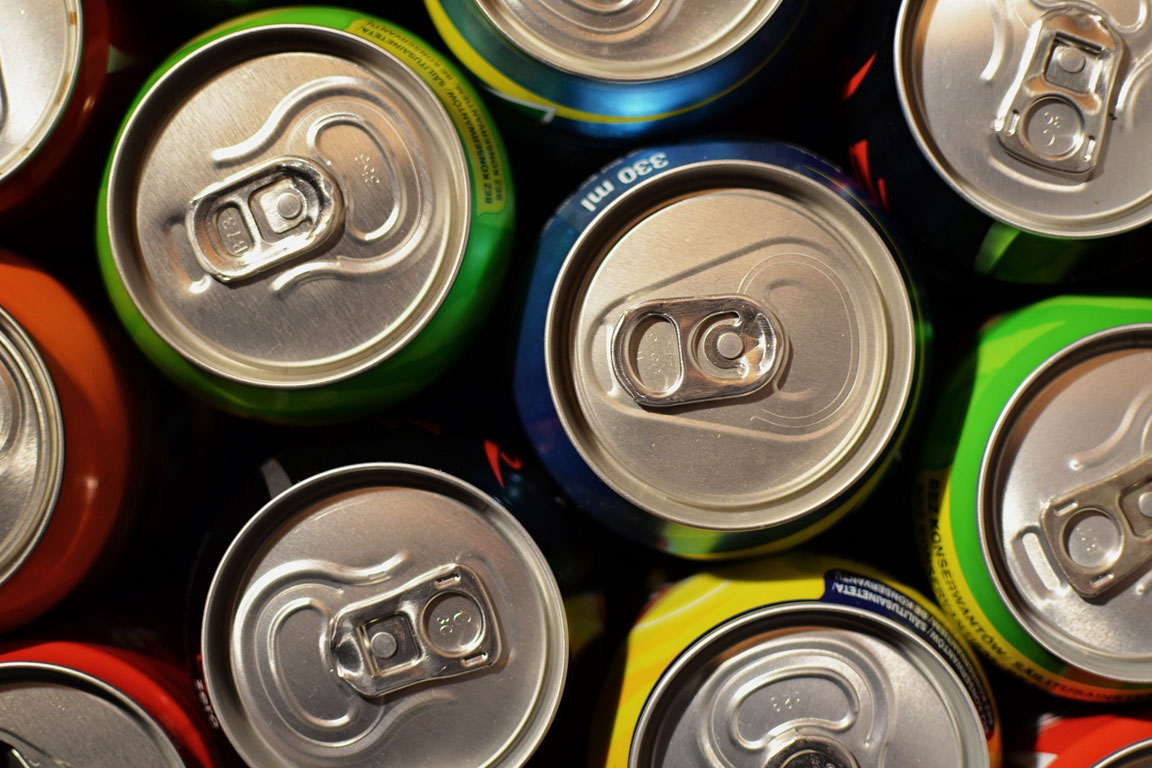
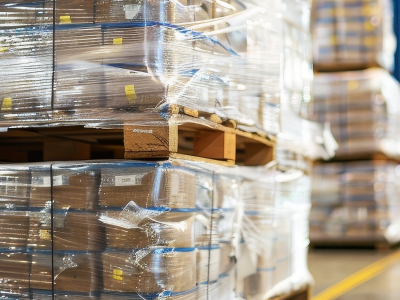
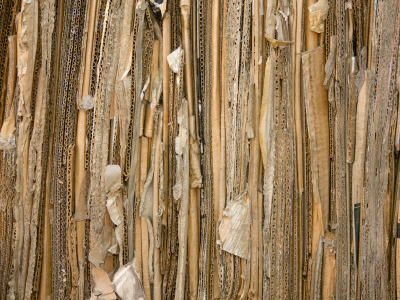
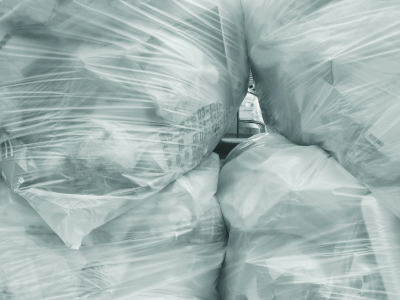
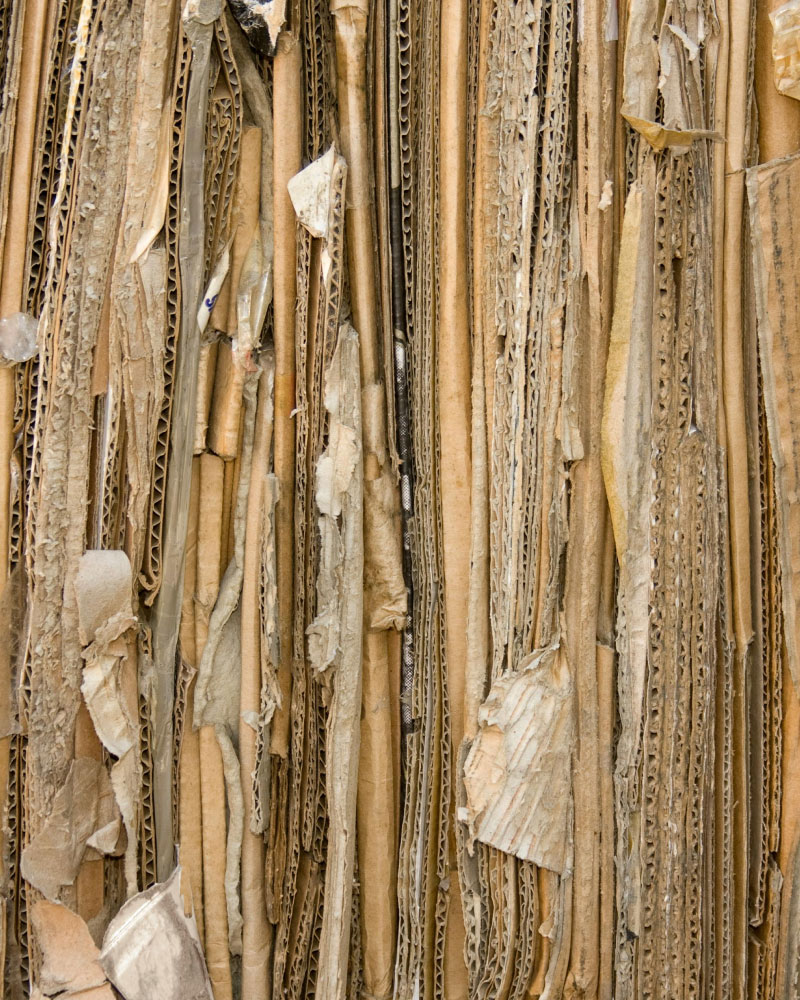
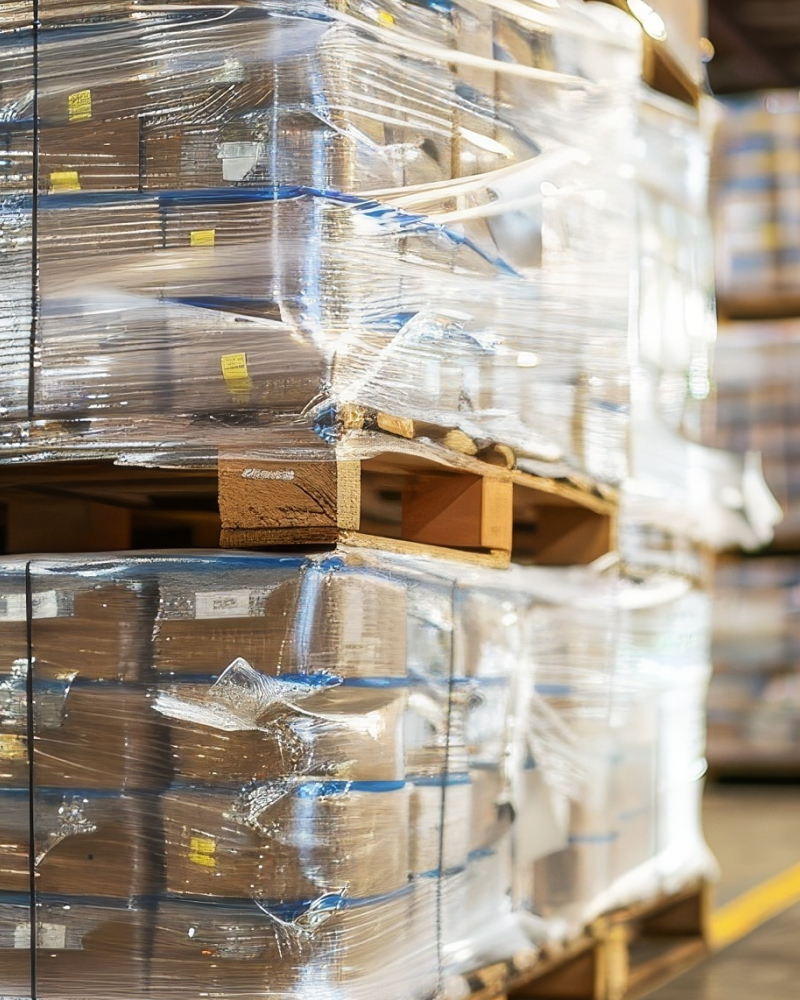
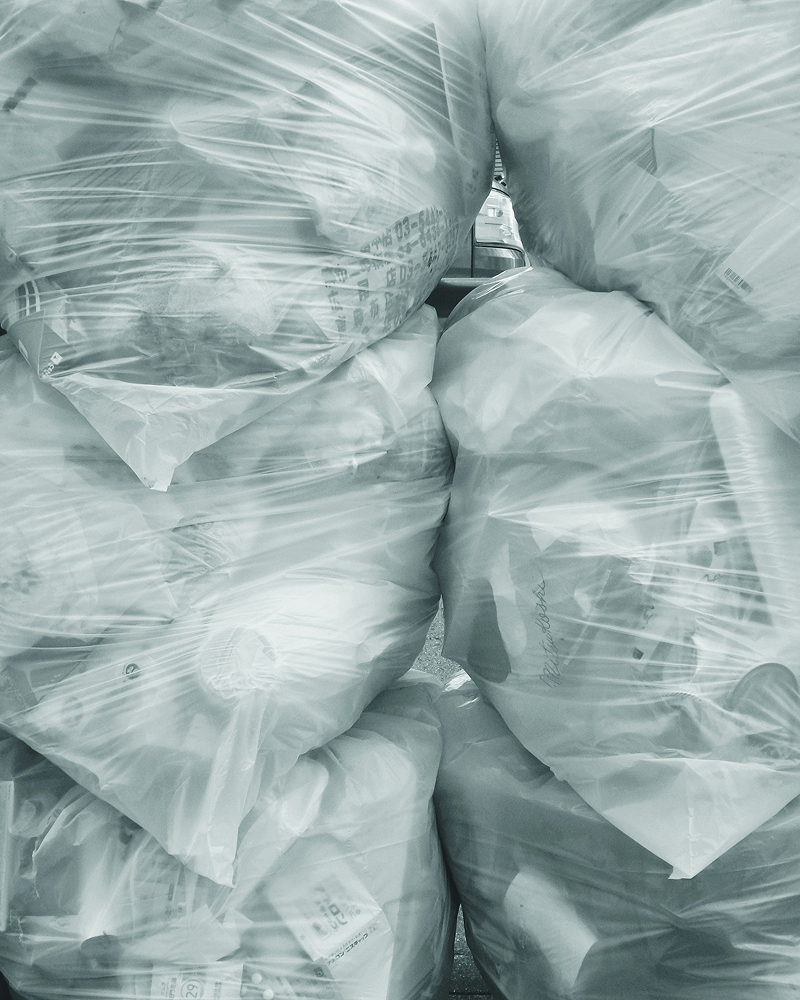
Most Riverside balers are used to compact cardboard, paper, plastic film, and other dry recyclables. However, some of our larger and more powerful models are also suitable for denser or more specialist materials, including rigid plastics like PET and HDPE, light metals like aluminium cans, and textiles from production or returns processing. The right machine depends not only on the material itself, but also on the volume generated, available space, and how you need the finished bale to be handled. If you're unsure about suitability, get in touch and we’ll be happy to advise

Discover more
Bringing benefits in abundance
01
Reclaim storage space
Thanks to their small footprint, compact waste balers can be easily positioned in tight or awkward locations without swallowing space and disrupting daily operations.
02
Improve site safety
By compressing loose material into tidy bundles, compact waste balers help to keep working areas clutter free, reducing trip hazards and improving overall site hygiene.
03
Lower collection fees
Reducing the volume of waste on site means collections are required less frequently, curbing associated costs. In fact, bales can even unlock a new revenue stream through rebates.
04
Reduce operational costs
Ideal for companies with a lower waste output, these compact balers offer a cost-efficient alternative to larger machines – both in terms of the initial investment and ongoing expenditure.
05
Unlock versatile applications
Beyond compact cardboard balers, our range includes machines capable of processing a wide variety of materials, from plastic film to paint tins and steel drums up to 30 litres.
06
Support environmental goals
These small yet mighty models make it easier to segregate and recycle waste, helping businesses meet sustainability targets and demonstrate environmental responsibility.
Featured product
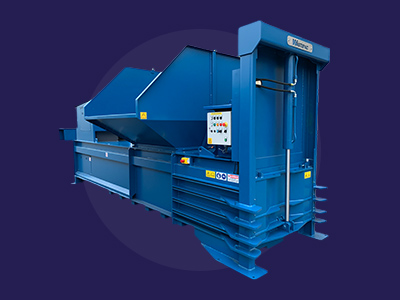
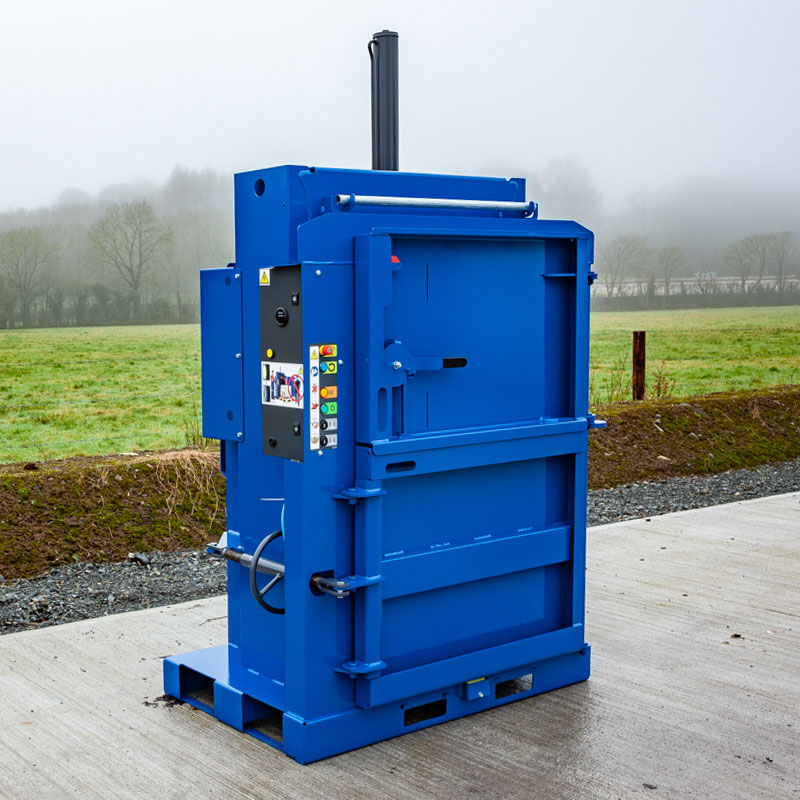
Meet the RWM 100
The smallest of our mid-range balers, the RWM 100 is an ideal step up for organisations handling bulkier recyclables on site. This machine offers a similarly modest footprint, but with larger loading capacity and a wider feed aperture, it’s easier to input oversized cardboard, paper, and plastics without needing to break them down as much. Plus, with a slightly heavier bale weight – 100kg compared to the compact range’s max of 75kg – operations can generate a greater bale yield to optimise collections even further.
Cardboard
Plastics
Paper
Film

"Due to the sheer volume of waste materials we’re now handling, baling made perfect sense. Rather than paying for waste to be taken away from the farm, we now receive a rebate for our bales, the farm has become more efficient, and we’re contributing to the environment too. It’s a win-win for us."
James Knox
Managing director at Yorkshire Dales Meat Company